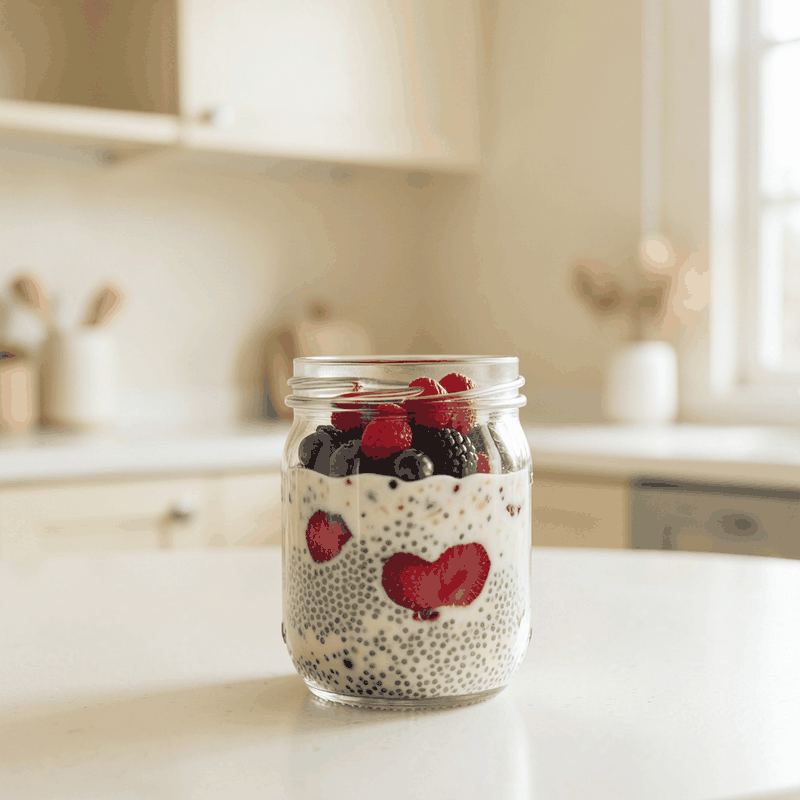
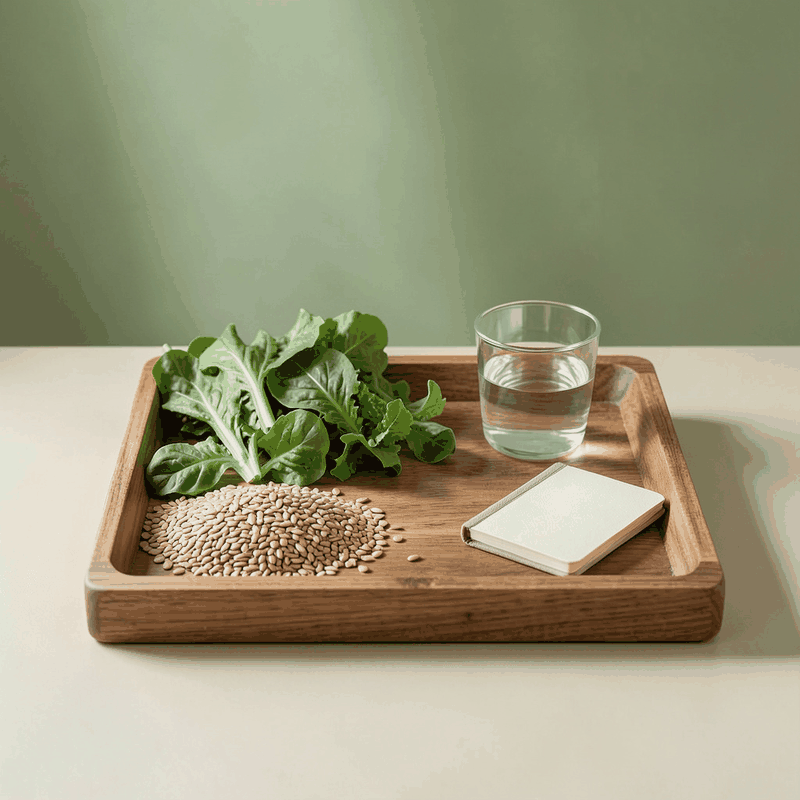
Small, practical wellness nudges — hydration, sleep and movement — to slot into a busy day.
- Drink a glass of water on waking
- Stand and stretch every hour
- Wind down screens 30 minutes before bed
Hearing is one of the senses we rely on most yet often take for granted until something goes wrong. Ear infections, in particular, can develop quietly, especially in children who may not be able to describe what they feel. Simple screening tools that work alongside everyday devices could help families catch fluid buildup early and seek care sooner. Researchers have been exploring how sound reflection and inexpensive accessories might turn a common phone into a basic diagnostic aid, bringing a small piece of the clinic into the home.
Running continues to be one of the most accessible ways to protect heart health, manage weight, and clear the mind. Whether someone is training for a marathon or simply lacing up around the neighborhood, the right shoes matter more than most beginners expect. Fit, cushioning, and gait all influence comfort and injury risk. A careful fitting process and gradual increases in mileage tend to serve new runners better than chasing pace or distance too quickly, a lesson repeated often in running communities and coaching guides.
Skin health sits at the intersection of medicine and daily self-care, and misinformation spreads quickly online. Concerns like acne, textured bumps, and cosmetic reactions often lead people to experiment with too many products at once, sometimes worsening irritation. Dermatologists generally encourage simpler routines built around gentle cleansing, sun protection, and targeted treatments. Understanding what a routine is actually meant to do, rather than collecting products, helps both skin and budgets, and readers are well served by skeptical, evidence-focused reviews of trending beauty claims.
Mindfulness and meditation have moved from niche practice to mainstream wellness conversation, with many people exploring them for stress, sleep, and focus. Formal retreats and local meet-ups offer structure, while short daily sessions can fit into even crowded schedules for busy parents and professionals. The benefits reported in studies tend to be modest but consistent, particularly for attention and emotional regulation. Approaching the practice with patience rather than expectation often makes the difference between a passing experiment and a lasting habit.
Dietary patterns influence health in ways that go far beyond the scale. The Mediterranean style of eating, rich in plants, healthy fats, and lean proteins, has drawn sustained research interest for its effects on heart health and the gut microbiome. That invisible community of microorganisms is now understood to play a role in digestion, immunity, and even mood. Large studies continue to map these connections, though experts caution that no single food acts alone; overall patterns and consistency matter most.
Access to care remains a defining health issue worldwide, shaping outcomes as much as any treatment. From insulin pricing debates to the availability of dialysis and specialist services, systemic barriers often determine whether patients receive timely help. Community programs, mobile clinics, and telehealth have expanded options in some regions, while others still struggle with shortages. Informed readers benefit from following policy news carefully, since regulatory decisions about devices, drugs, and coverage affect individual lives far more directly than headlines suggest.
Fitness technology has exploded in recent years, with watches, straps, and earbuds promising insights into heart rate, sleep, and recovery. These tools can motivate movement and reveal trends, yet their numbers should be treated as guides rather than medical verdicts. Accuracy varies between devices and activities, and obsessing over metrics can itself become stressful. The most useful gadget is generally the one that nudges a person toward consistent activity, rest, and attention to how their body actually feels.
Everyday habits quietly shape long-term cancer risk, from sun exposure and diet to activity levels and sleep. Health organizations continue to emphasize prevention because many cases remain linked to modifiable factors, even as genetics play a role. Quitting smoking, limiting alcohol, and staying active are familiar advice for good reason. Public conversations about screening and early detection save lives, and reliable reporting helps readers separate genuine breakthroughs from overhyped announcements in an era of constant medical news.
Beauty routines can support confidence, but when product collecting or makeup use begins to feel compulsive, it may be worth examining the relationship with them. Skincare and cosmetics addiction are informal terms, yet the pattern of escalating purchases and anxiety is recognizable to many. Setting simple boundaries, like a fixed routine and a cooling-off period before new buys, can restore balance. As with health more broadly, moderation and self-awareness tend to serve people better than perfection.